Few flowers have endured quite as gracefully as the carnation. Cultivated for over 2,000 years and still among the most widely given flowers in the world, the carnation carries a quiet authority that more fashionable blooms rarely match. What it lacks in novelty it more than makes up for in depth — of colour, of scent, of meaning.
What Are Carnations?
The carnation (Dianthus caryophyllus) belongs to the Dianthus family, a genus whose name translates from Greek as "flower of the gods." Native to the Mediterranean, carnations have been cultivated since ancient times — appearing in Greek ceremonial garlands, Roman festivals, and later in the religious iconography of Renaissance painting, where the flower was associated with divine love and the Incarnation.
Today, carnations are grown commercially across the world, with Colombia, the Netherlands, and Kenya among the leading producers. Their extraordinary vase life — often 10 to 14 days or more — makes them one of the most reliable cut flowers available, and a perennial favourite among florists for both everyday arrangements and significant occasions.
What Do Carnation Flowers Look Like?
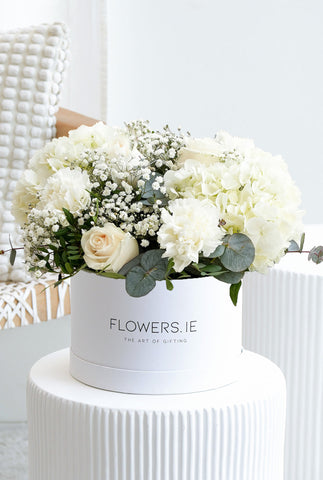
Carnations are immediately recognisable by their layered, ruffled petals and distinctively fringed edges. The blooms are full and rounded, with a softness that lends them well to both structured arrangements and looser, more natural compositions.
They grow on slender, jointed stems with long, narrow grey-green leaves. Standard carnations produce a single large bloom per stem; spray carnations carry several smaller blooms, making them particularly effective for adding volume and texture to an arrangement.
In terms of fragrance, carnations carry a subtle, spicy-sweet scent — reminiscent of clove or warm spice. The strength varies by colour: pink and white carnations tend to be the most fragrant, while deeper shades like red and purple carry a lighter aroma. It's a gentle, indoor-friendly scent — present without being overbearing.
Carnation Symbolism & History
The symbolism of the carnation is unusually rich, shaped by centuries of use across cultures and contexts.
The name itself is thought to derive either from the Latin carnis (flesh) — a reference to the flower's original blush-pink colouring — or from incarnation, linking carnations to themes of divine love and spiritual significance.
In ancient Greece and Rome, carnations were woven into ceremonial crowns and festive garlands. Christian tradition later associated them with the tears of the Virgin Mary, lending them an enduring connection to love, sacrifice, and remembrance.
In more recent history, the red carnation became a symbol of solidarity and political identity, worn as a lapel flower by socialist and labour movements across Europe. In Portugal, carnations hold particular national significance: the Carnation Revolution of 1974 took its name from the flowers placed in soldiers' rifles by civilians during the peaceful coup that ended decades of dictatorship.
The carnation is also the birth flower for January, and the traditional flower for first and second wedding anniversaries.
What Do Carnation Colours Mean?
Colour is central to the language of carnations. Each shade carries its own layer of meaning — a useful guide when choosing a bouquet for a specific occasion or person.
Red carnations symbolise deep love, admiration, and affection. They carry a warmth and conviction that makes them well-suited to anniversaries and romantic gestures — a classic that holds its own alongside the red rose.
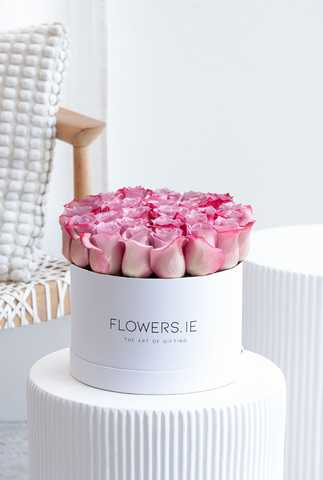
Pink carnations hold a particularly significant place in the history of the flower. They are traditionally linked to a mother's enduring love, and are the flower most closely associated with Mother's Day — a connection said to originate with Anna Jarvis, who gave pink carnations at the first official Mother's Day observance in 1908. Pale pink speaks to tenderness and gratitude; deeper pinks to admiration and appreciation.
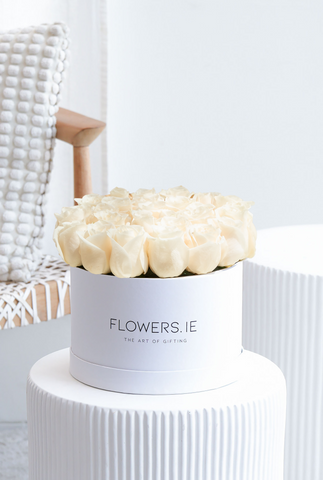
White carnations represent purity, remembrance, and reverence. They are a considered choice for weddings, sympathy tributes, and religious occasions, their simplicity lending them a quiet formality.
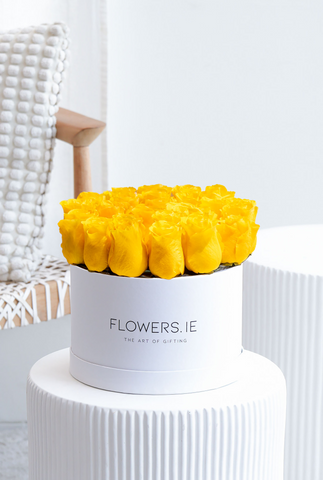
Yellow carnations carry more complex associations. In many traditions they suggest disappointment or rejection — one of the few floral colours to carry a cautionary note. In more contemporary arrangements, however, they are read more simply as cheerful and warm.
Purple carnations are associated with whimsy, unpredictability, and caprice — a more unusual choice that works well when the intention is something a little unexpected.
Green carnations have a specific cultural history: popularised by Oscar Wilde in the 1890s as a symbol of aestheticism and queer identity, they remain one of the more distinctive and knowing choices in the carnation palette.

What Does Gifting a Number of Carnations Mean?
Like roses, carnations can carry meaning through the number given as well as the colour. While there is no universal rule, a few conventions have taken hold:
A single carnation is a simple, sincere gesture — understated and personal. Two red carnations are often associated with deep mutual affection or a shared bond, and have become a widely recognised romantic symbol in several cultures. A larger bouquet generally amplifies the sentiment of the colour chosen.
What Occasions Are Carnations Suited To?
One of the carnation's most enduring qualities is its adaptability. There are few occasions it cannot speak to, given the right colour and arrangement.
Mother's Day — Pink carnations are the traditional Mother's Day flower, a connection that holds across many cultures. Their softness and symbolism make them a considered and meaningful choice for honouring mothers and mother figures.
Weddings — White and blush carnations work beautifully in bridal bouquets, buttonholes, and table arrangements. Their durability is particularly well-suited to long wedding days, and their texture adds depth to both minimalist and more abundant compositions.
Sympathy and funerals — White carnations are a long-standing choice for funeral tributes, representing remembrance, peace, and enduring love. Their lasting quality means they hold well through services and memorial gatherings. Red carnations are also used, particularly where they carry political or personal significance.
Birthdays and celebrations — Carnations' wide colour range makes them an expressive choice for birthdays. A carefully considered arrangement in someone's favourite colour can feel personal and thoughtful rather than generic.
Romantic occasions — Red carnations carry the same devotional weight as red roses, but with a quieter, less expected quality that many find a more considered gesture.

How Long Do Carnations Last?
With proper care, carnations typically last 10 to 14 days in the vase — longer than most cut flowers. Spray carnations, which carry multiple blooms per stem, can last even longer as individual buds continue to open after the first flowers have faded.
Their durability is one of the reasons carnations are so consistently favoured by florists — they hold well through events, travel, and extended display periods.
How to Care for Carnations in a Vase
Carnations are among the most forgiving cut flowers when it comes to aftercare, but a little attention at the outset significantly extends their life.
When you receive them: Trim the stems at a 45-degree angle — this maximises the surface area drawing water. Remove any foliage that would sit below the waterline, as submerged leaves quickly cloud the water and shorten vase life.
Water and feeding: Use fresh, cool water and add flower food if it was included with your delivery. If not, a small amount of sugar and a few drops of lemon juice is a reasonable alternative. Change the water every two to three days and re-trim the stems each time.
Placement: Keep carnations away from direct sunlight, heat sources, and ripening fruit. Ethylene gas produced by fruit accelerates the ageing of cut flowers — carnations included.

Are Carnations Safe for Pets?
Carnations are mildly toxic to cats and dogs. If ingested, they may cause mild gastrointestinal discomfort — drooling, vomiting, or loss of appetite — but are not considered severely toxic. For households with pets that tend to investigate plants or flowers, displaying carnations out of reach is a sensible precaution.
Carnation Flowers in Ireland
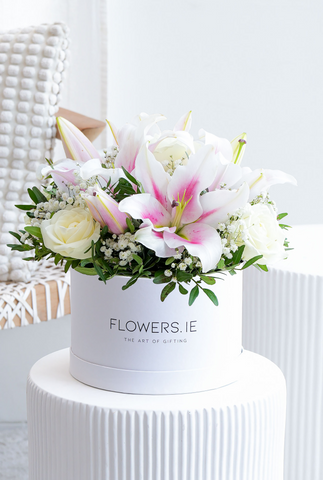
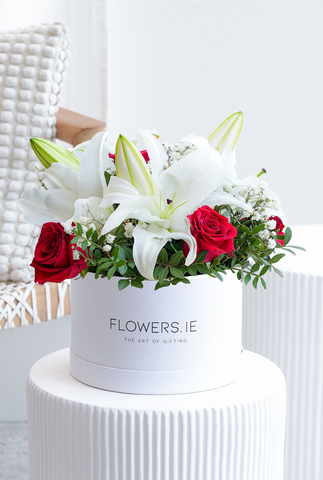
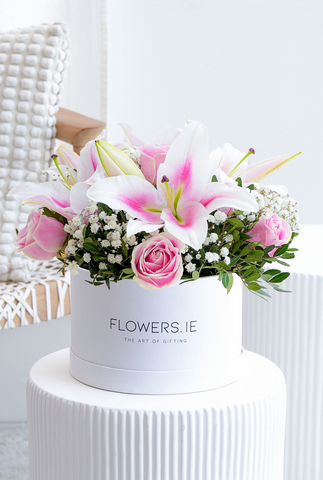
At Flowers.ie, carnations appear across a number of our arrangements — from simple, elegant bouquets to more elaborate seasonal compositions. Each arrangement is hand-designed by our florists in Dublin and Galway, with a video preview sent via WhatsApp or email before delivery.
✅ Same-day delivery available in
Dublin,
Kildare, and
Wicklow
✅ Next-day delivery across the Republic of Ireland
✅ 100% satisfaction guarantee with over 17,000 5-star reviews
👉 Explore Our Complete Range of Carnation-Inspired Bouquets